


#Machine Learning
50 articles with this tag
Databricks Streamlines AML Compliance
Databricks unveils a unified AI-powered platform to revolutionize AML compliance, promising faster investigations and reduced false positives for financial institutions.
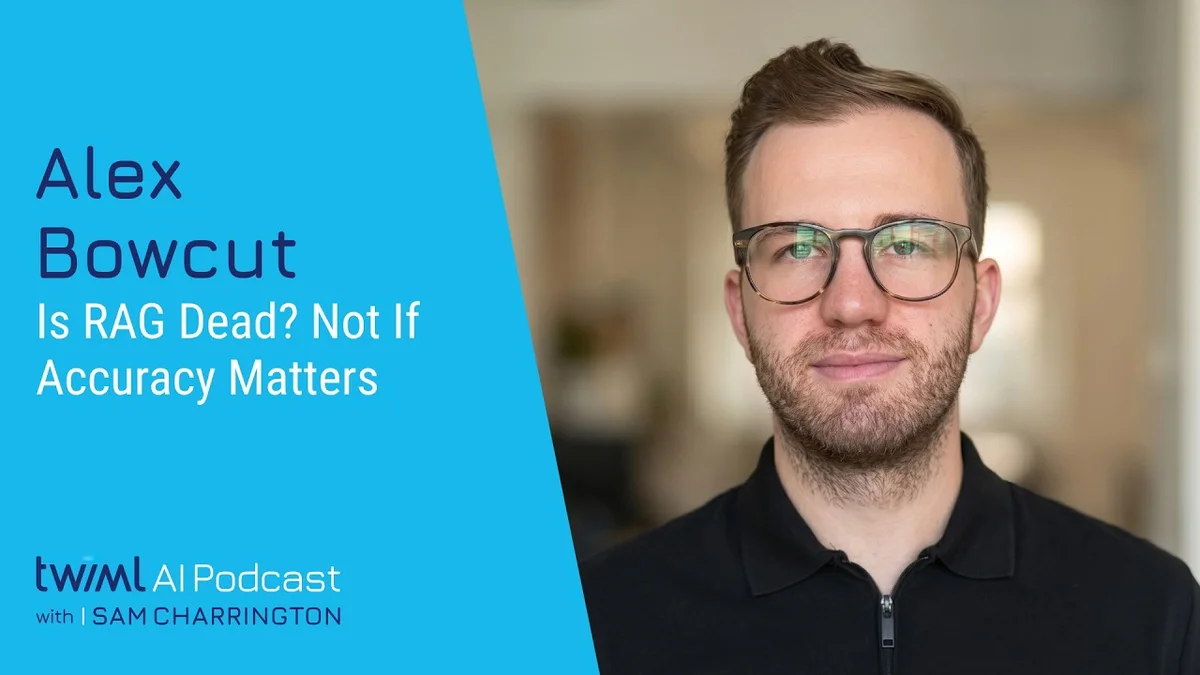
Alex Bowcut on RAG: Accuracy Over Obsolescence
Alex Bowcut of Sphere discusses why Retrieval Augmented Generation (RAG) remains vital for AI applications demanding accuracy, especially in specialized fields like tax compliance.
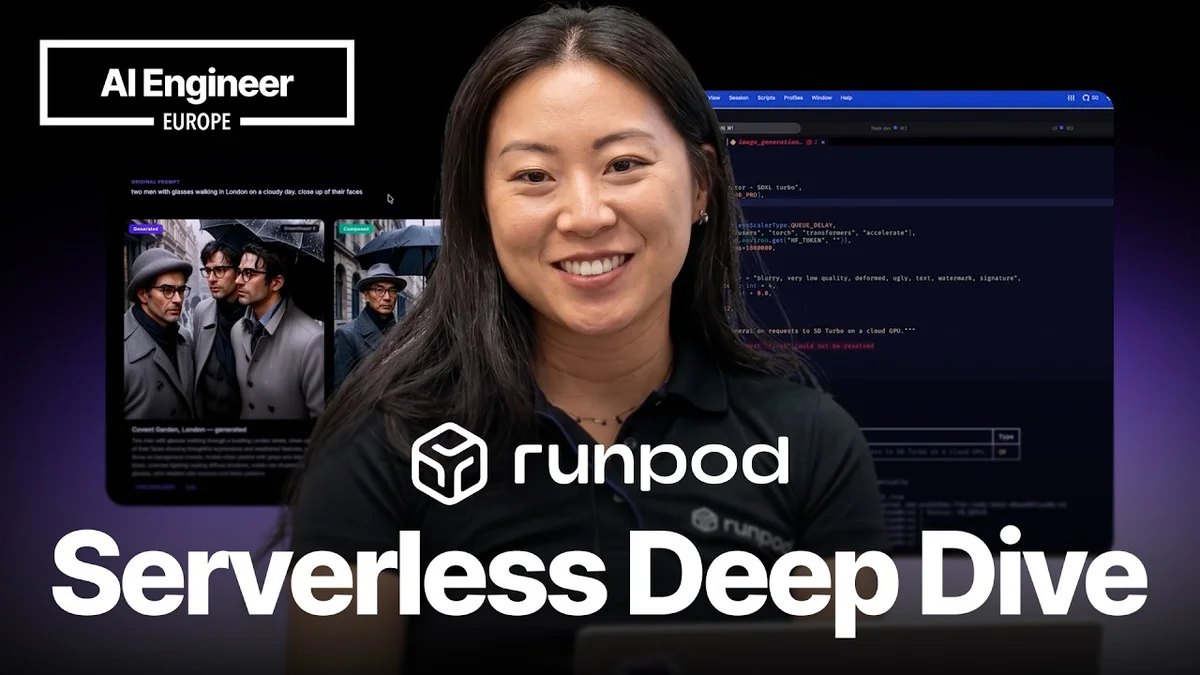
RunPod's Audry Hsu on IDE-Integrated GPU Cloud Deployment
Audry Hsu from RunPod discusses the platform's IDE-integrated GPU cloud deployment, addressing developer pain points and showcasing the company's rapid growth and adoption.

Claude Fable 5 Lands on AWS
Anthropic's powerful Claude Fable 5 AI model is now available on AWS, offering advanced capabilities for complex, long-running tasks.
Google Rolls Out Gemini 3.5 Live Translate
Google's new Gemini 3.5 Live Translate offers real-time speech-to-speech translation across 70+ languages, enhancing Google Translate and Meet.
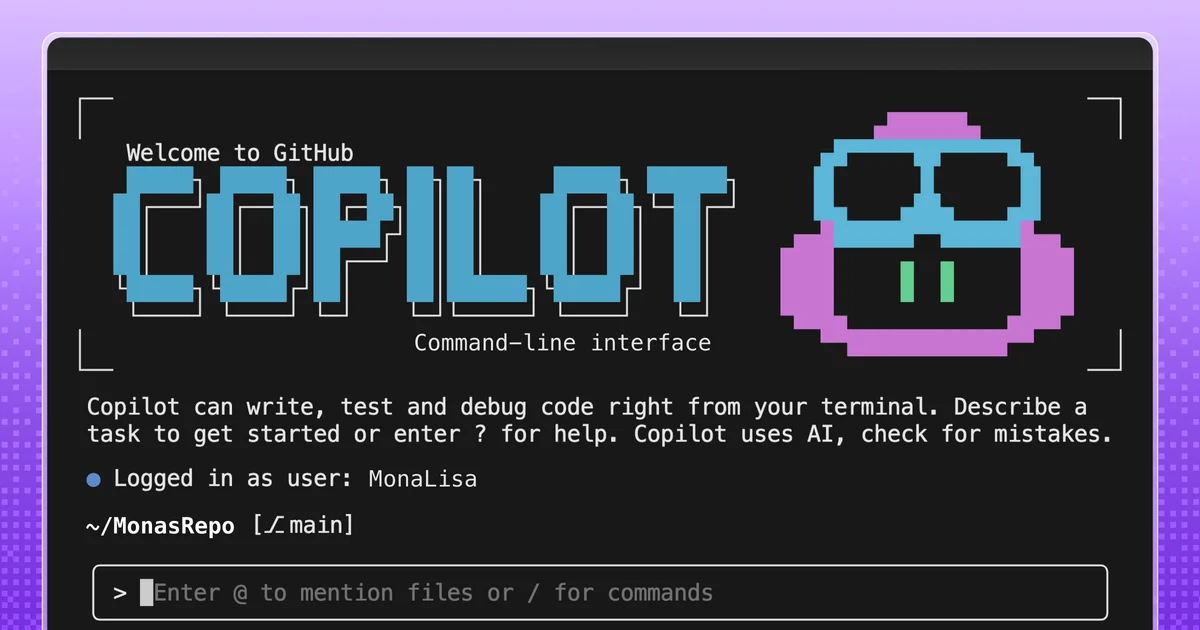
GitHub Copilot CLI Agents Get Context
GitHub Copilot CLI now supports custom agents, turning repetitive terminal tasks into standardized, context-aware workflows defined within your repository.

Gemini AI Boosts Math Skills in Sierra Leone Trial
Gemini's Guided Learning AI significantly boosted math scores in an 8-week Sierra Leone trial, demonstrating AI's potential as a teacher's assistant without replacing educators.

Snowflake Simplifies Python Deployment
Snowflake's CoCo agent now streamlines the deployment of Snowpark Python pipelines with a single prompt, simplifying production workflows for data engineers.
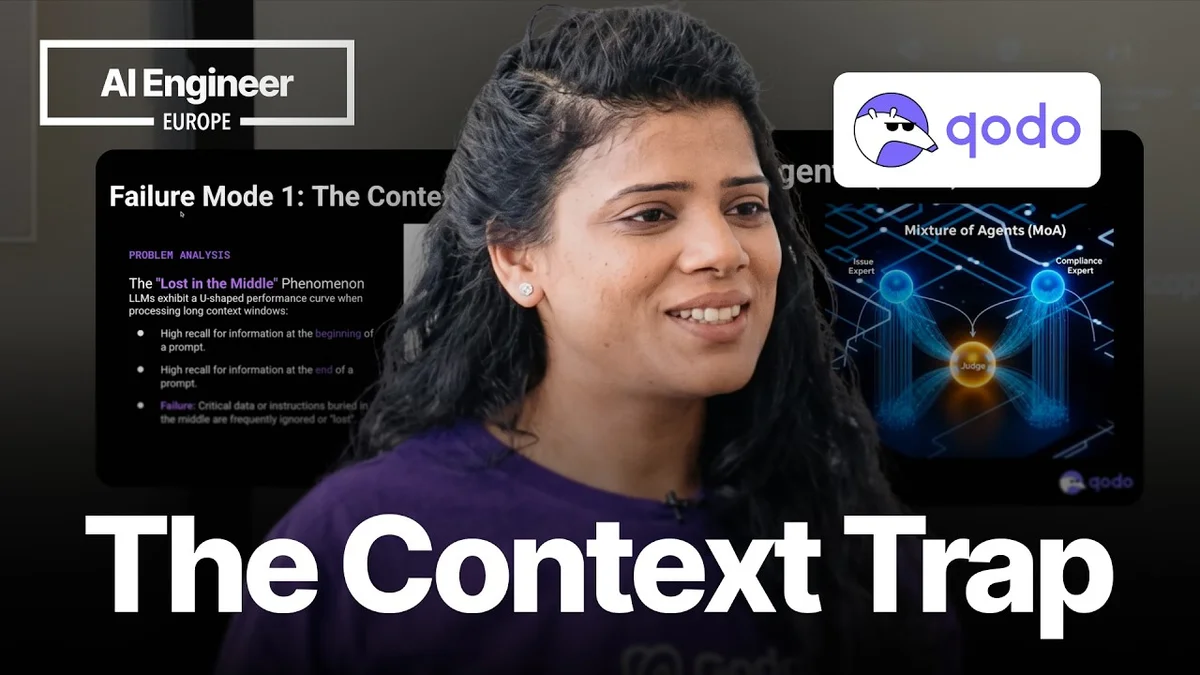
AI Agents Get Dumber With More Context, Expert Warns
Nupur Sharma of Qodo explains how too much context can hinder AI agents, leading to the 'lost in the middle' problem, and discusses solutions like context engines and hybrid orchestration.
LinkedIn Hiring Assistant Goes Global
LinkedIn's Hiring Assistant is expanding to French and German, tackling complex AI localization challenges with a novel rubric framework and adaptive model strategy.

OpenAI's Finance Officer on AI's Role in Finance
OpenAI's Business Finance Officer, Stacie Faggioli, discusses how AI and an 'AI-native' mindset are transforming finance operations, enabling greater efficiency and output.

RunPod Simplifies LLM Endpoint Deployment
RunPod's Audry Hsu demonstrates how to deploy LLM endpoints in under 5 minutes using the platform's serverless and hub features.
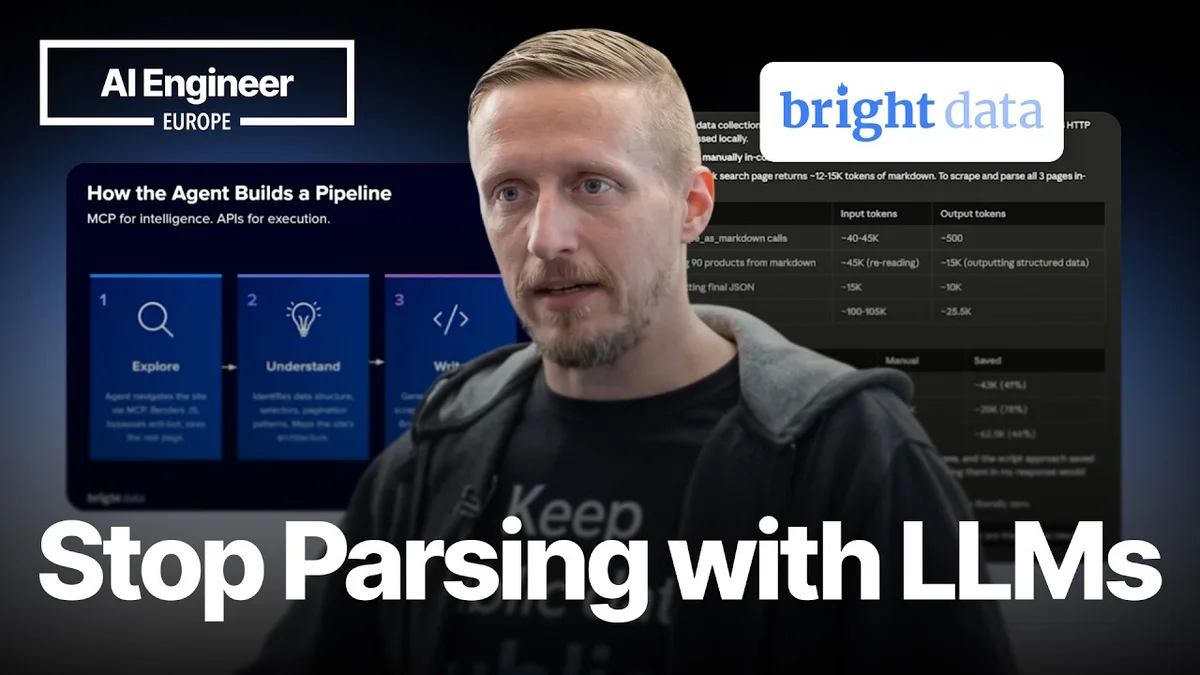
Bright Data's AI Agent Builds Web Scraping Pipelines
Rafael Levi from Bright Data showcases how AI agents can autonomously build and maintain web scraping pipelines, reducing manual effort and costs.
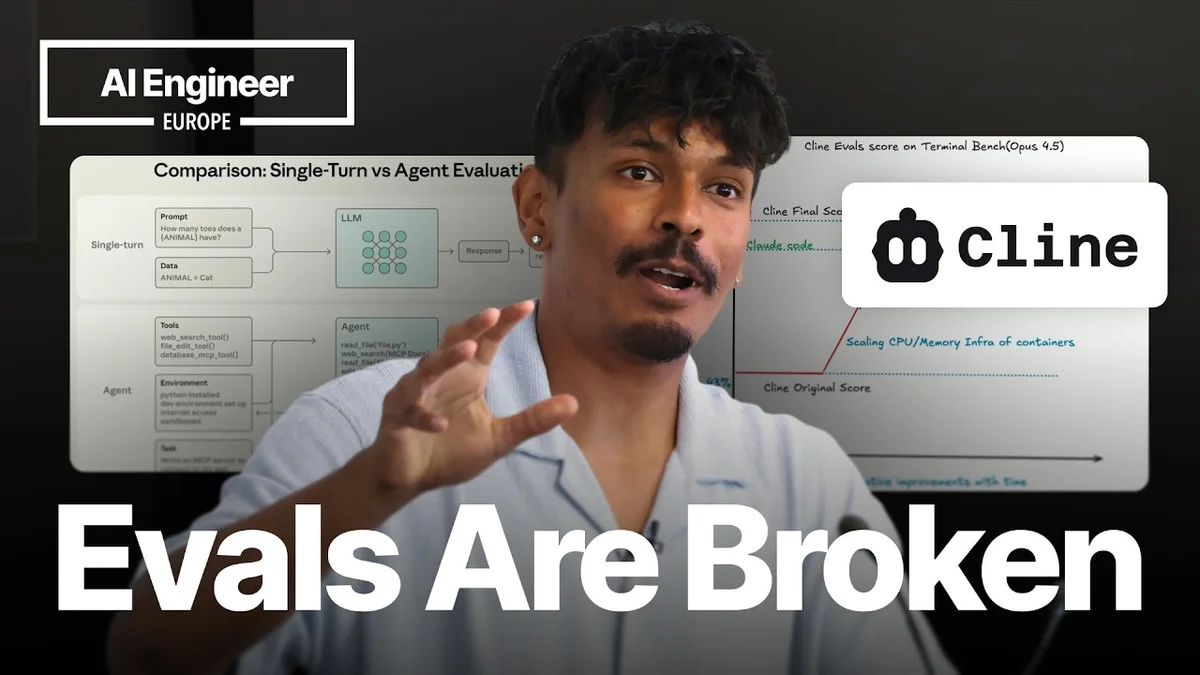
AI Evals: Broken But Essential, Use Them Anyway
Ara Khan and Cline argue that AI evaluations, though flawed, are crucial. They outline common pitfalls and a process for iterative improvement, emphasizing honesty and nuanced assessment.
HANDOFF: Bridging AI Planning and Robot Control
HANDOFF revolutionizes the humanoid robot command space, enabling intuitive task planning and robust real-world manipulation through a distilled, multi-expert controller.
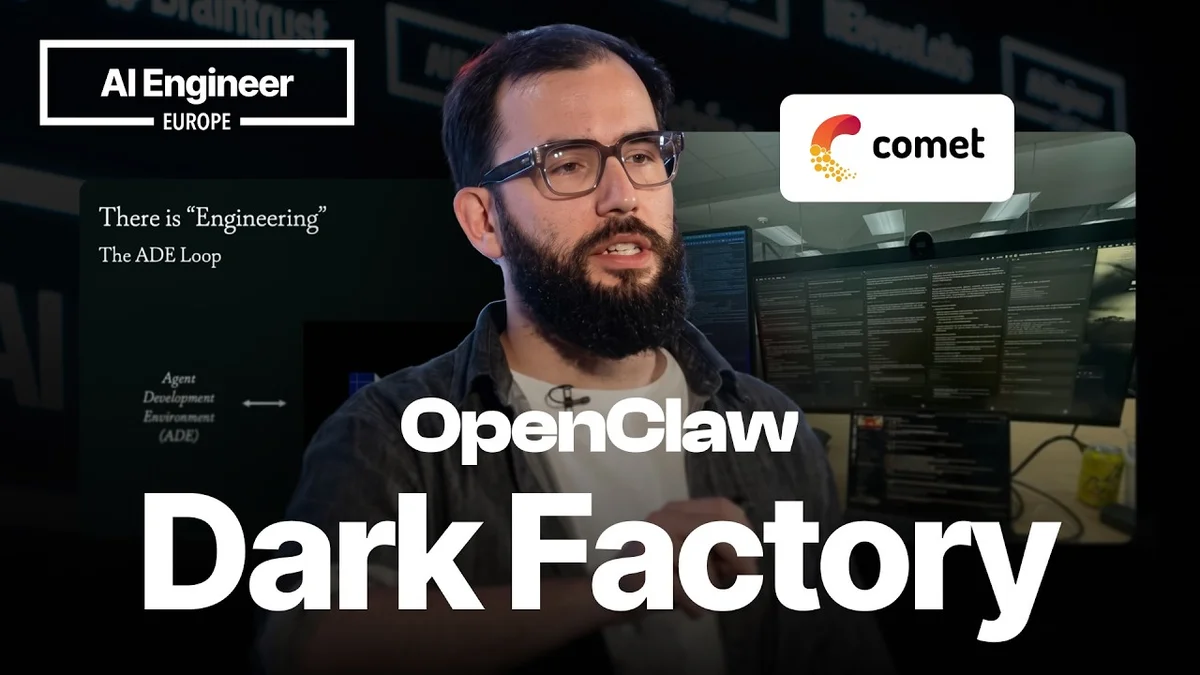
OpenClaw's Vincent Koc on 'Dark Factories' and AI Speed
Vincent Koc of OpenClaw discusses the rapid acceleration of AI development, comparing it to the industrial revolution and highlighting OpenClaw's efficient "dark factory" approach.
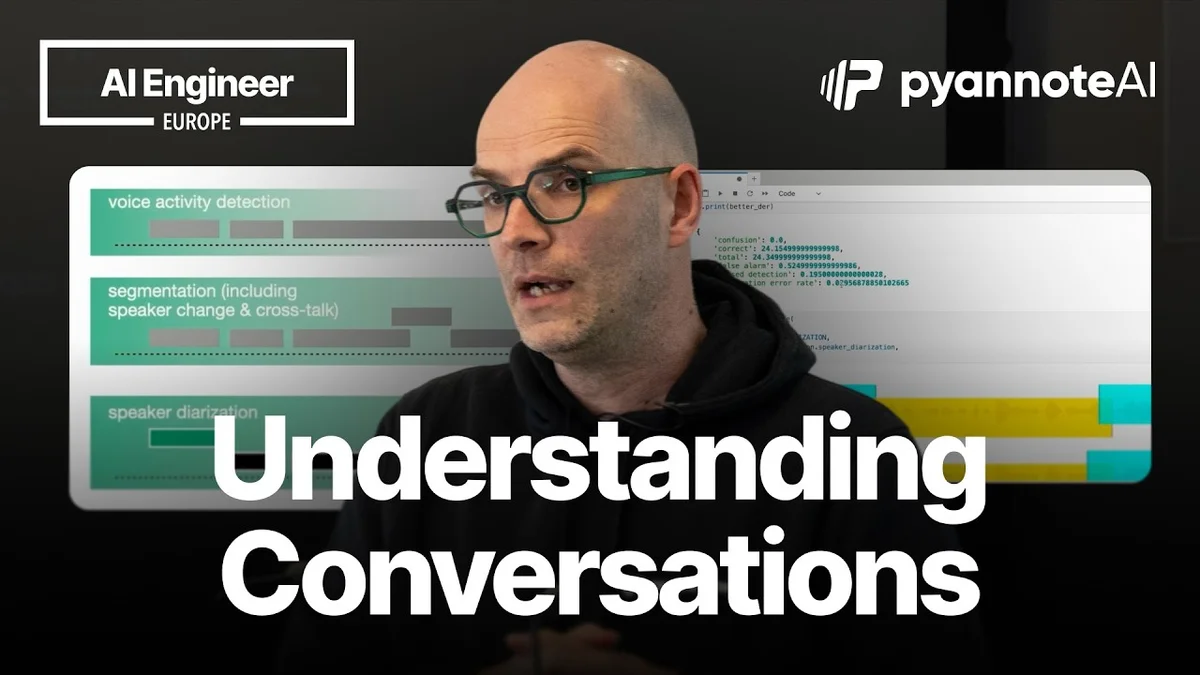
PyannoteAI's Bredin on Building Conversational Voice AI
Hervé Bredin of pyannoteAI discusses the crucial role of speaker diarization in building voice AI that understands conversations, showcasing open-source tools and future advancements.
LifeSkill: LLM Agents Learn Continuously
LifeSkill framework enables LLM agents to continuously learn from test-time feedback, significantly improving performance on long-horizon tasks by internalizing skills.
Uber's AI Guards Data at Scale
Uber's AI-powered File Semantic Analyzer offers deep contextual understanding of outbound data, drastically reducing false positives and speeding up security responses.
OpenAI Models Now Live in Snowflake
Snowflake and OpenAI launch integrated AI models, aiming to bring advanced intelligence directly to enterprise data with enhanced governance and context.
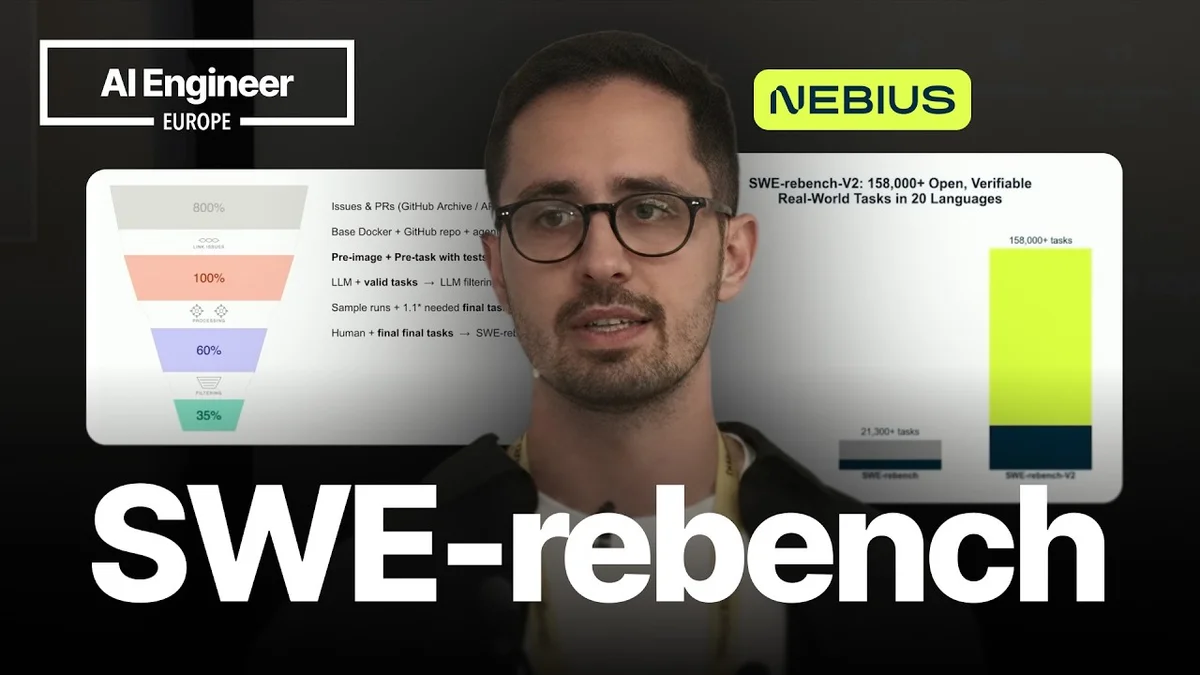
Evaluating Coding Agents: Lessons from SWE-rebench
Ibragim Badertdinov from Nebius shares key lessons from evaluating coding agents using the SWE-rebench benchmark, highlighting the importance of real-world tasks, reliable verification, and cost-effectiveness.

Pinterest Bets $4B on AWS for AI
Pinterest inks a $4 billion, multi-year deal with AWS to power its AI-driven visual discovery features for over 600 million users.

AI Model Race: Betting on 2026's Best
Polymarket prediction markets reveal $31.2M in daily volume, with AI, war, and crypto bets dominating. The race for the best AI model in 2026 is a key focus.
OpenAI Boosts AI for Drug Discovery
OpenAI's GPT-Rosalind receives major upgrades for life sciences, enhancing drug discovery and genomics with improved reasoning and workflow execution capabilities.

Scaling AI Beyond Informal: Axiom Math's Carina Hong
Carina Hong of Axiom Math discusses scaling AI through formal verification, aiming to build reliable and collaborative systems.
Beyond Observable Data: Imaginative Perception for VLMs
Researchers introduce Imaginative Perception Tokens (IPTs) to enable VLMs to reason about unobserved spatial configurations, outperforming textual chain-of-thought.

Fei-Fei Li Clarifies 'World Models'
Fei-Fei Li offers a framework to define AI 'world models', distinguishing them from language models and tracing their roots to agent-environment interaction.

AI Escalates Cyber Threats in 2026
AI-powered cyber threats in 2026 are more autonomous and sophisticated, outstripping traditional security defenses and frameworks.

Snowflake Streams for Real-Time AI
Snowflake enhances its platform with Datastream for Kafka-compatible streaming, AI-powered tools, and expanded data integration capabilities to fuel agentic AI.
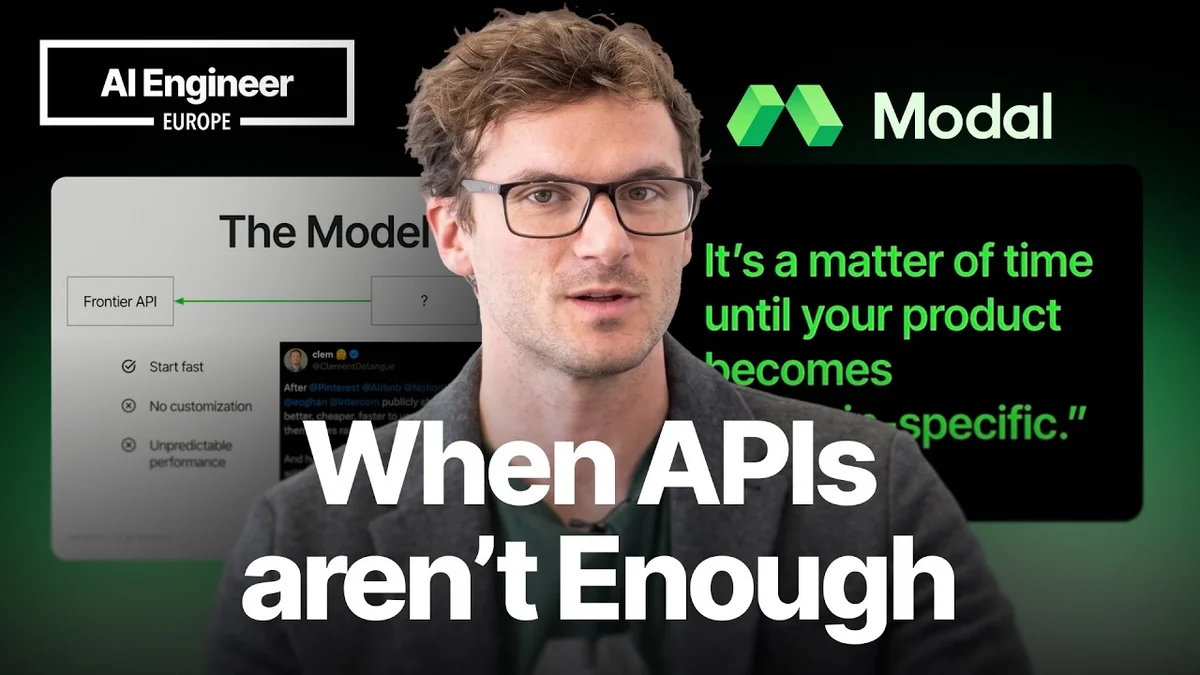
Benjamin Cowen on Fine-Tuning AI Models with Modal
Benjamin Cowen from Modal discusses the shift towards custom, fine-tuned AI models and how serverless platforms simplify this process.
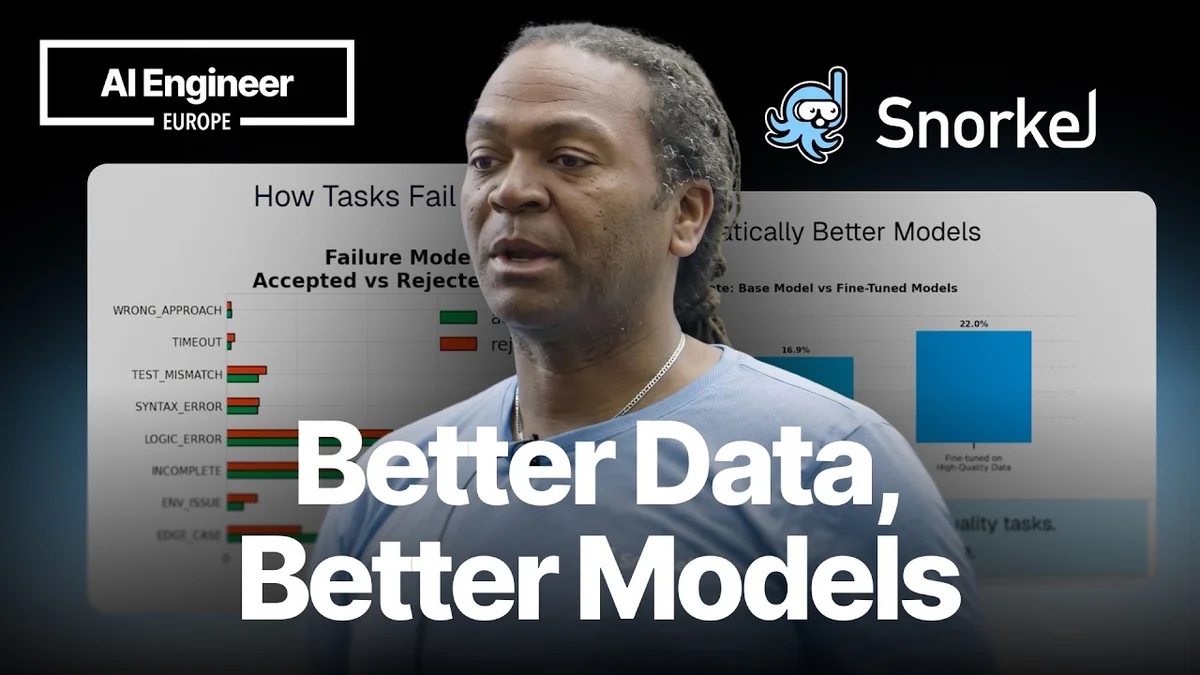
Task Fidelity Scaling Laws: Kobie Crawford on AI Data Quality
Kobie Crawford of Snorkel discusses 'Task Fidelity Scaling Laws,' emphasizing how data quality impacts AI model performance and outlining Snorkel's approach to creating verifiable datasets.
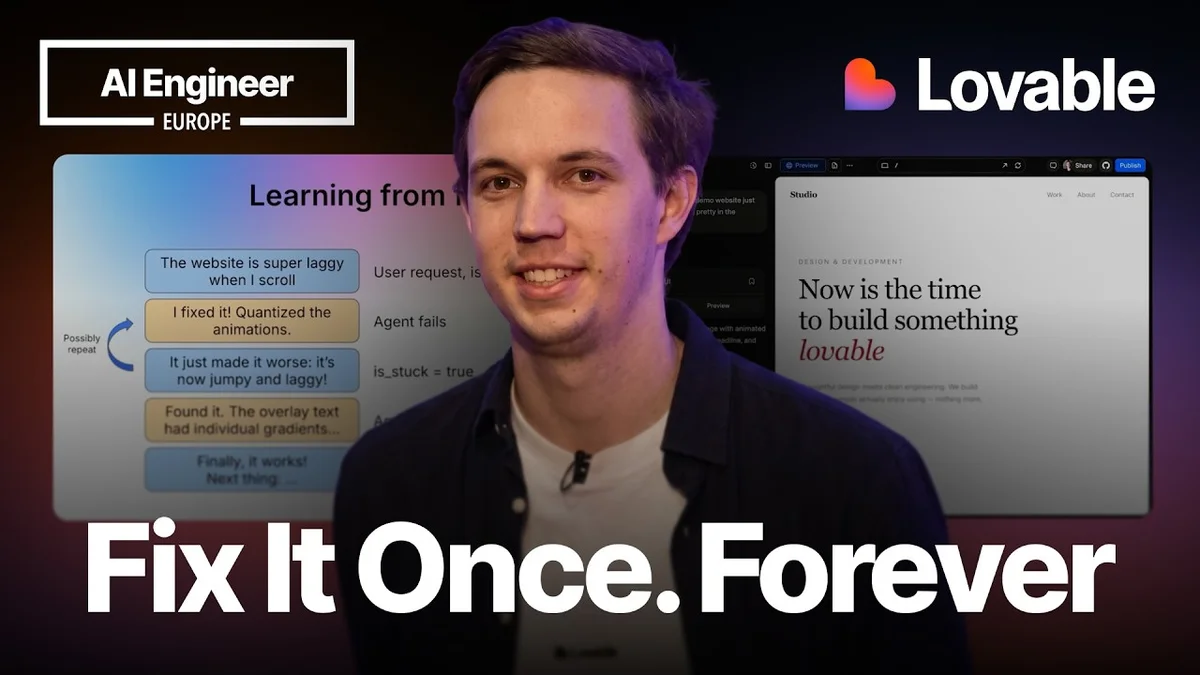
Lovable's AI Self-Improvement: A Deep Dive
Benjamin Verbeek of Lovable explains how their AI agents continuously learn and improve, using a 'vent tool' to report issues for rapid developer feedback and resolution.
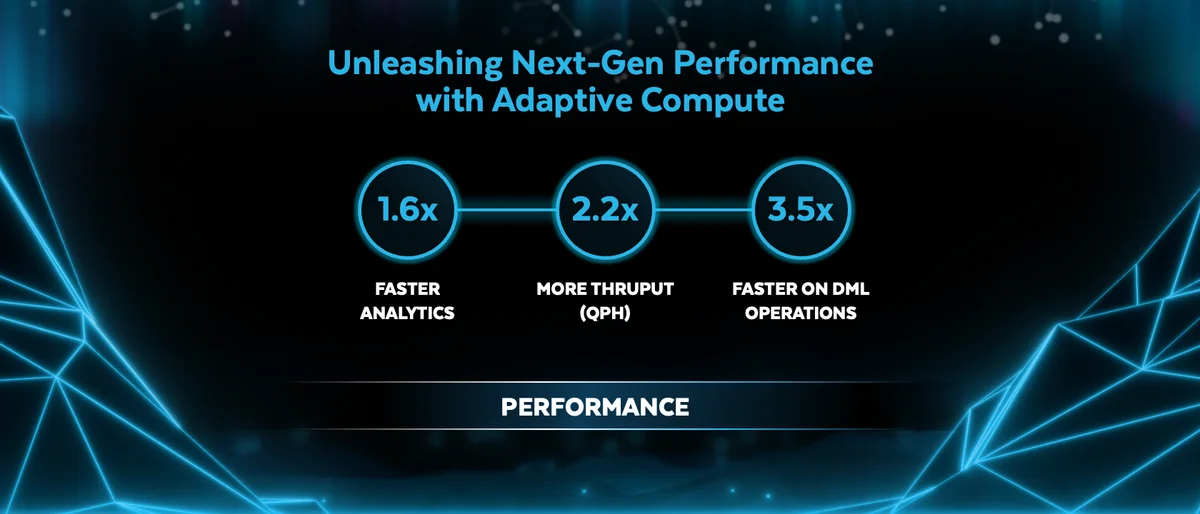
Snowflake's Adaptive Compute
Snowflake's new Adaptive Compute technology dynamically scales resources for data workloads, promising higher performance and reduced operational complexity.
Snowflake's AI Push for the Agentic Enterprise
Snowflake unveils new features to power agentic enterprise AI, focusing on governed data, AI security, and high-performance compute for production deployments.
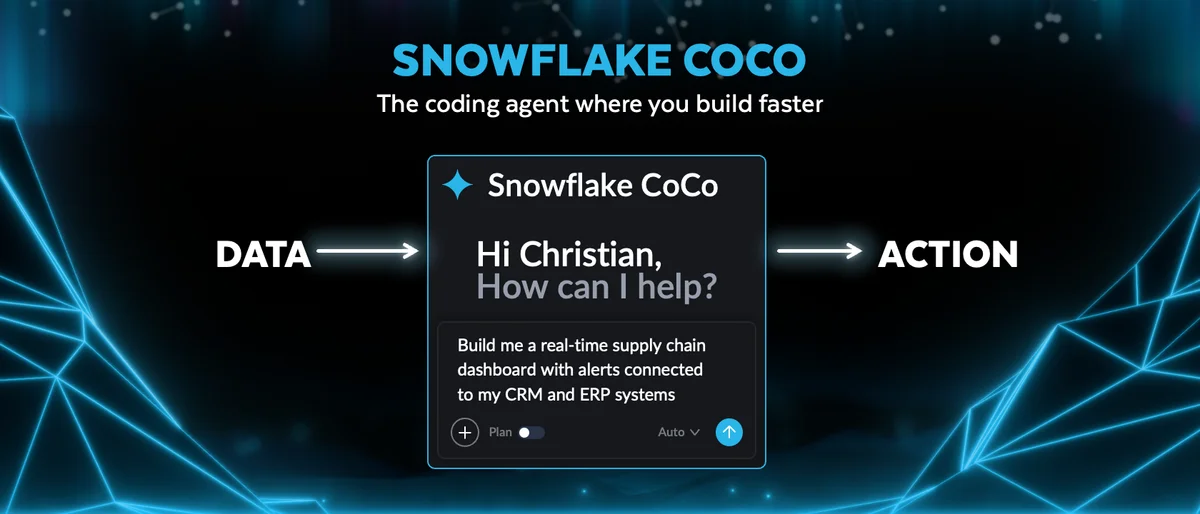
Snowflake CoCo Goes Everywhere
Snowflake's AI coding agent, CoCo, is expanding beyond its data cloud with desktop, mobile, and Slack integrations, aiming to embed governed AI development everywhere.
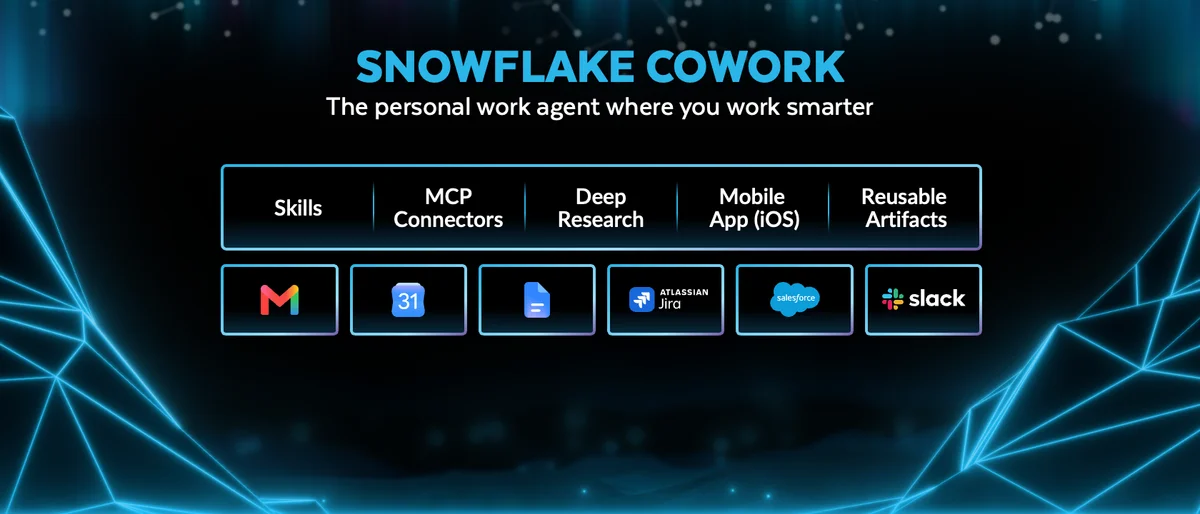
Snowflake CoWork: AI Agent for Knowledge Workers
Snowflake CoWork introduces a proactive AI agent for knowledge workers, enhancing data understanding, automating tasks, and enabling seamless collaboration across enterprise tools.
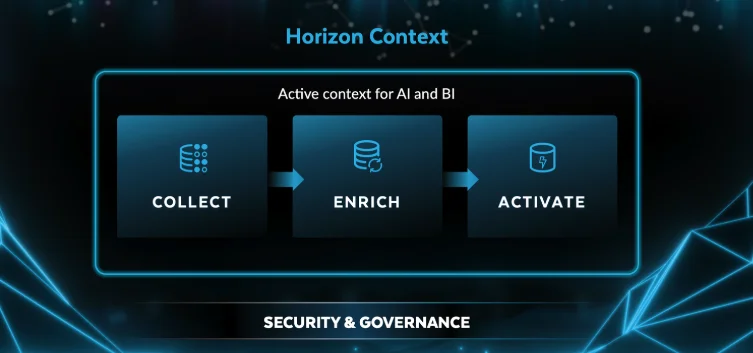
Snowflake Taps Context for AI Trust
Snowflake's new Horizon Context feature aims to unify business logic for AI and BI, addressing trust issues caused by scattered data definitions.

Snowflake Honors Top AI Data Cloud Partners
Snowflake honors its top partners for driving innovation and customer success in the AI Data Cloud at its 2026 Partner Awards.

Snowflake Bolsters AI Security
Snowflake enhances its platform with new AI security features, including agent identity management and prompt injection protection, to secure enterprise data in the age of autonomous AI.
Listen Labs CEO on AI-Powered Customer Insights
Listen Labs CEO Alfred Wahlforss explains how AI-powered analysis of customer interviews provides unparalleled insights into consumer needs and behaviors.
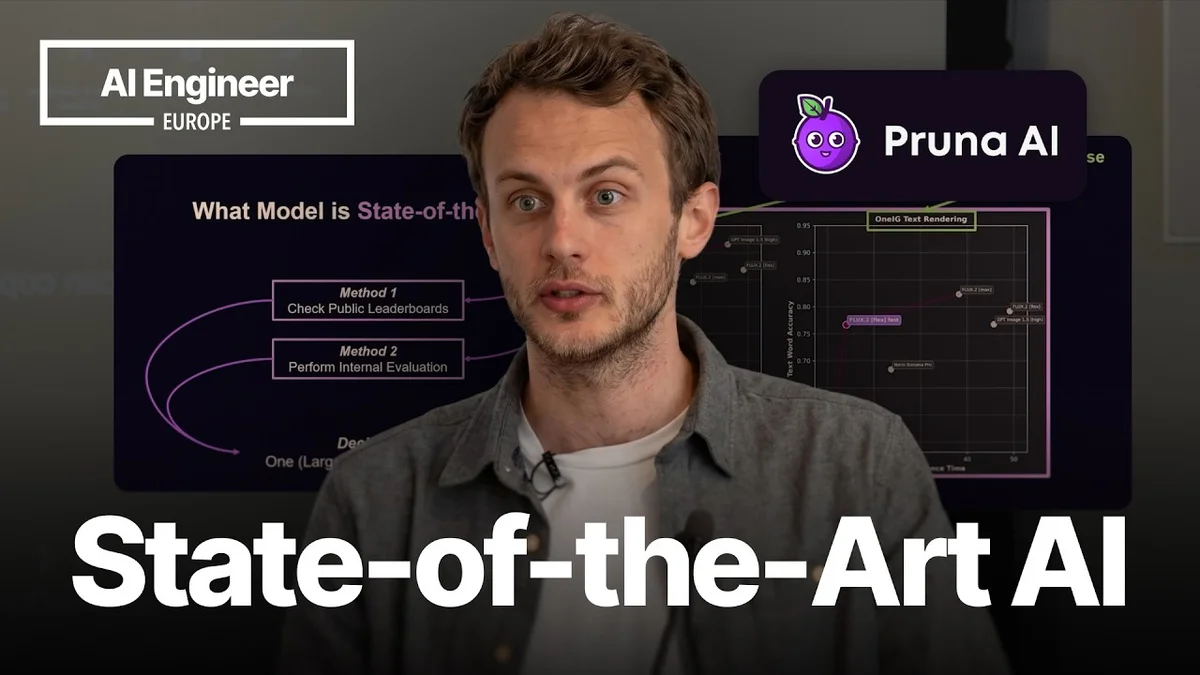
Bertrand Charpentier on AI Benchmarking Challenges
Bertrand Charpentier of Pruna AI discusses the challenges in AI benchmarking, the limitations of public leaderboards, and the importance of considering both quality and efficiency.
xAI's Ethan He on Grok, Video Agents & AI Futures
xAI's Ethan He discusses how language models drive visual AI, the rapid development of Grok Imagine, and the future of AI-generated interfaces.
Rishabh Bhargava on Voice Agent Engineering
Rishabh Bhargava of Together AI discusses engineering voice agents, focusing on latency, quality, and scale challenges across STT, LLM, and TTS components.
Steven Willmott on Spec-Driven Testing for AI Agents
Steven Willmott of SafeIntelligence discusses spec-driven testing for AI agents, emphasizing the need for clear specifications beyond traditional datasets to ensure robustness and safety.

Claude Code's Latest Updates
Claude Code rolls out Opus 4.8 as default, introduces dynamic workflows, security plugins, and performance enhancements for developers.
Ben Kunkle on Building Zed's Zeta2 Prediction Model
Ben Kunkle from Zed Industries explains the architecture and data pipeline for building Zeta2, an AI model that predicts code edits.

GPIC: Fueling Next-Gen Generative Models
The GPIC dataset, a 28 trillion pixel permissive image corpus, democratizes large-scale visual generative model research and commercialization.
Databricks Shines at SIGMOD 2026
Databricks' Enzyme engine and Spark Declarative Pipelines are showcased at SIGMOD 2026, simplifying complex data engineering tasks.
OpenAI's Playbook for AI Evaluation
OpenAI proposes a standardized playbook for third-party AI evaluations, emphasizing the critical role of the 'harness' and addressing potential result distortions.
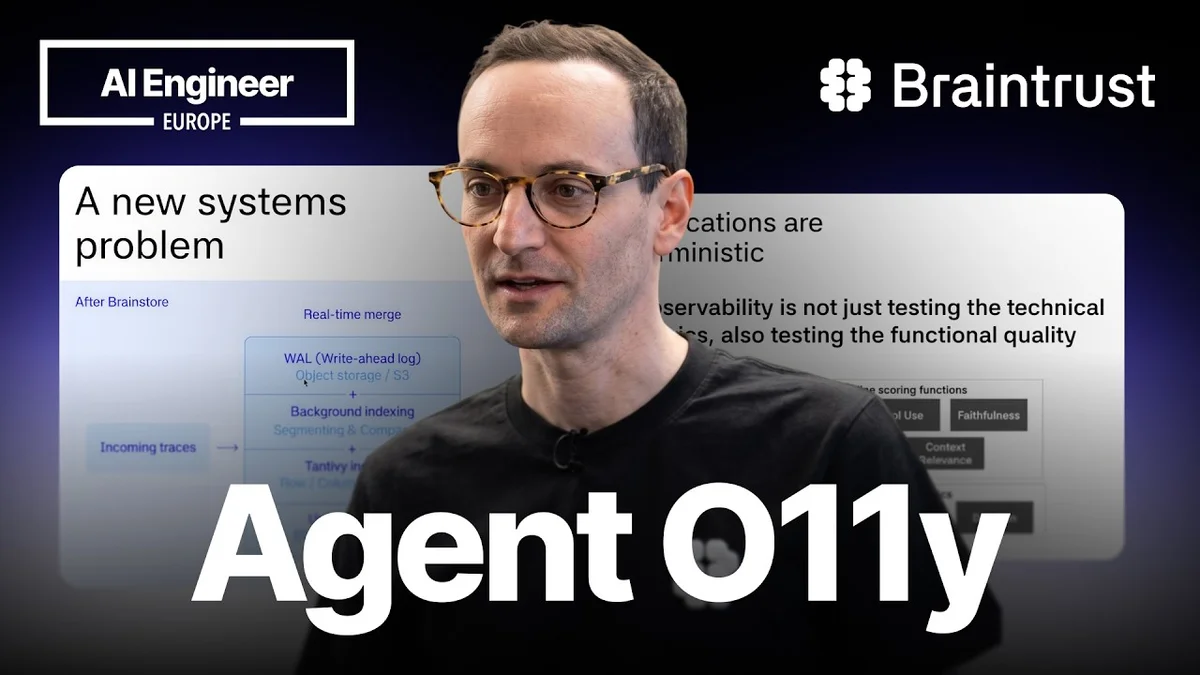
Agent vs. Traditional Observability: Braintrust's Phil Hetzel Explains
Phil Hetzel of Braintrust discusses the fundamental differences between traditional observability and the specialized needs of AI agent evaluation.