Artificial Intelligence

College Students Push Back Against AI Integration

College students are expressing growing concerns about AI's impact on their education and job prospects, with a recent poll showing increased anxiety and decreased hopefulness among Gen Z.

StartupHub.ai Staff

By StartupHub.ai Staff, reviewed by Daniel Singer, Editor

4 min read

Visual TL;DR
Gallup Poll InsightDriver
Gen Z shows increased anxiety, decreased hopefulness about AI
From the articleData from a recent Gallup poll offers a quantitative view of these evolving feelings among young Americans, particularly Generation Z.
Broader Societal WorriesDriver
concerns extend beyond classroom to wider societal implications
From the articleThis sentiment stems from a complex interplay of concerns about education, future employment, and the broader societal implications of AI.
AI Skills ParadoxContext
students grapple with need for AI skills vs. job security
From the article 3 mentionsAdding another layer to this complex issue is the paradox students face in the job market.
Student AI ConcernsDriver
students voice apprehension about AI's impact on education and jobs
From the article 9+ mentionsThe concerns voiced by students extend beyond the immediate academic context.
University ResponsesEffect
universities are beginning to address student concerns about AI
From the articleThe university environment has become a focal point for anti-AI sentiment, as students grapple with the rapid advancements and adoption of AI technologies.
Pushback EmergesOutcome
growing sentiment of resistance to AI integration on campuses
Contents(5)

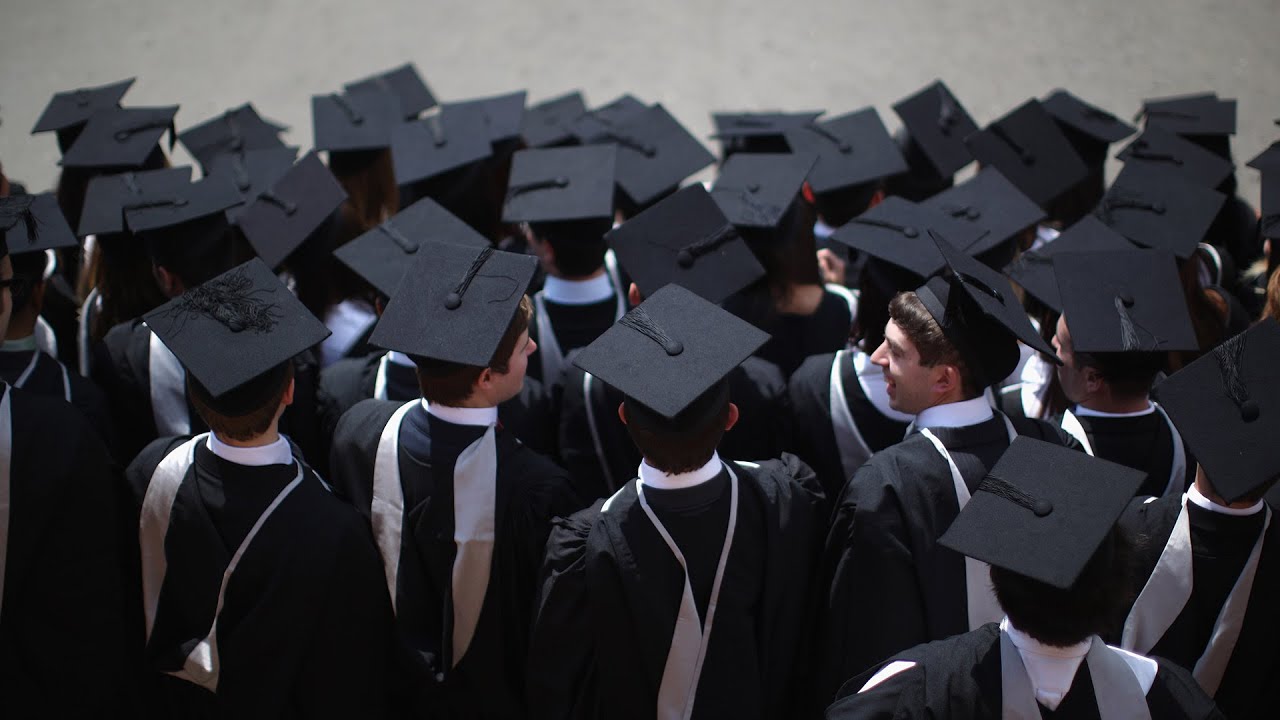
A growing sentiment of resistance to artificial intelligence is emerging among college students across the United States, according to recent reports. This sentiment stems from a complex interplay of concerns about education, future employment, and the broader societal implications of AI.

Student Concerns About AI

Recent discussions and protests on college campuses highlight a palpable unease among students regarding the pervasive influence of AI. These concerns are multifaceted, touching upon the core aspects of their academic journey and their aspirations for future careers. Jo Constantz, a Workplace Reporter for Bloomberg News, has been tracking these developments, noting that students are voicing their apprehension about how AI might affect their education and their ability to secure employment after graduation.

The university environment has become a focal point for anti-AI sentiment, as students grapple with the rapid advancements and adoption of AI technologies. This resistance is not merely a passive observation but is manifesting in active protests and dialogues about the role of AI in academia and the workforce.

The full discussion can be found on Bloomberg Podcast's YouTube channel.

College Kids Don’t Want Your AI - Bloomberg Podcast
College Kids Don’t Want Your AI, from Bloomberg Podcast

Shifting Sentiments: A Gallup Poll Insight

Data from a recent Gallup poll offers a quantitative view of these evolving feelings among young Americans, particularly Generation Z. The poll revealed a significant shift in sentiment towards AI, with a notable increase in anxiety reported by respondents. While 36% of Gen Z respondents expressed excitement about AI in the previous year, this figure dropped to 22% in the current year. Conversely, the number of those feeling anxious about AI rose from 31% to 42%, indicating a growing sense of unease.

The poll also showed a decline in hopeful sentiments, falling from 27% to 18%. These statistics suggest a growing skepticism and apprehension among the younger generation regarding the benefits and potential drawbacks of AI technologies.

Broader Concerns Beyond the Classroom

The concerns voiced by students extend beyond the immediate academic context. Jo Constantz elaborated on these broader issues, stating that students are also worried about the environmental impact of AI, particularly the energy consumption of data centers. This concern reflects a growing awareness among younger generations about sustainability and the ecological footprint of technological advancements.

Furthermore, there is a significant worry that AI might undermine critical thinking skills and human creativity. Many students feel that over-reliance on AI tools could hinder their development of essential cognitive abilities and their capacity for original thought. This sentiment is particularly potent in creative fields, where the role of human artistry and innovation is paramount.

The AI Skills Paradox

Adding another layer to this complex issue is the paradox students face in the job market. While many express concerns about AI, they are also aware that AI proficiency is increasingly becoming a requirement for securing employment. Constantz noted that employers are actively seeking candidates who are not only AI-savvy but can also effectively integrate AI tools into their workflows.

This creates a challenging environment for students who are wary of AI's potential negative impacts but recognize the necessity of acquiring these skills for career advancement. The lack of consistent guidance from educational institutions on how to ethically and effectively use AI tools further exacerbates this dilemma, leaving many students feeling uncertain about how to navigate this evolving technological landscape.

University Responses to Student Concerns

Colleges and universities are beginning to respond to these growing student concerns. Institutions are establishing forums and dialogue sessions to address student anxieties and to clarify their policies on AI usage. The aim is to foster a more open conversation about the ethical implications and practical applications of AI in education.

However, there remains a significant challenge in developing consistent and clear guidelines. With different professors and departments having varying approaches to AI in coursework, students often find themselves navigating a confusing and sometimes contradictory set of expectations. This inconsistency can lead to further apprehension and a sense of being unprepared for a future where AI proficiency is likely to be a prerequisite for many jobs.

TopicsAIEducationStudentsGen ZBloomberg

StartupHub.ai StaffDaniel SingerWritten by StartupHub.ai Staff, Editorial teamReviewed by Daniel Singer, EditorAbout

StartupHub.ai Staff, Editorial team

The staff writers of StartupHub.ai, ranging from investment analysts to avid AI tool users, early adopters and critical enthusiasts. Backgrounds span engineering, business and the arts. We hold every piece to rigorous standards of research and review.

Daniel Singer, Editor

Daniel Singer is an AI expert who has been writing about, covering and building AI technology since 2018.

More from Daniel Singer

Get the free daily brief every morning

Every morning the day's AI news, new AI startups and new funding rounds. Free and takes a few minutes to read, unsubscribe at any time.

Join 64,000 other subscribers.

Test your Agent Readiness now

Paste your website. How well ChatGPT, Claude and the other agents can read and use a site, in about a minute.

The videos behind the news, one flip at a time

The feed mixes the videos from our articles with startup demos and you flip through them like TV channels for free with no signup.