Two-way communication with animals by 2030 is the stated bet for AI animal communication, floated by private equity billionaire Jeremy Coller and discussed on Bloomberg Podcast.
Bloomberg weekend senior writer Morgan Meaker told the show the timeline compressed after the ChatGPT moment in 2022. Researchers who spent decades on manual observation now see AI as a way to do what was previously impossible.
The shift is not about shortcuts.
The full discussion can be found on Bloomberg Podcast's YouTube channel.
Why crows became the proof of concept
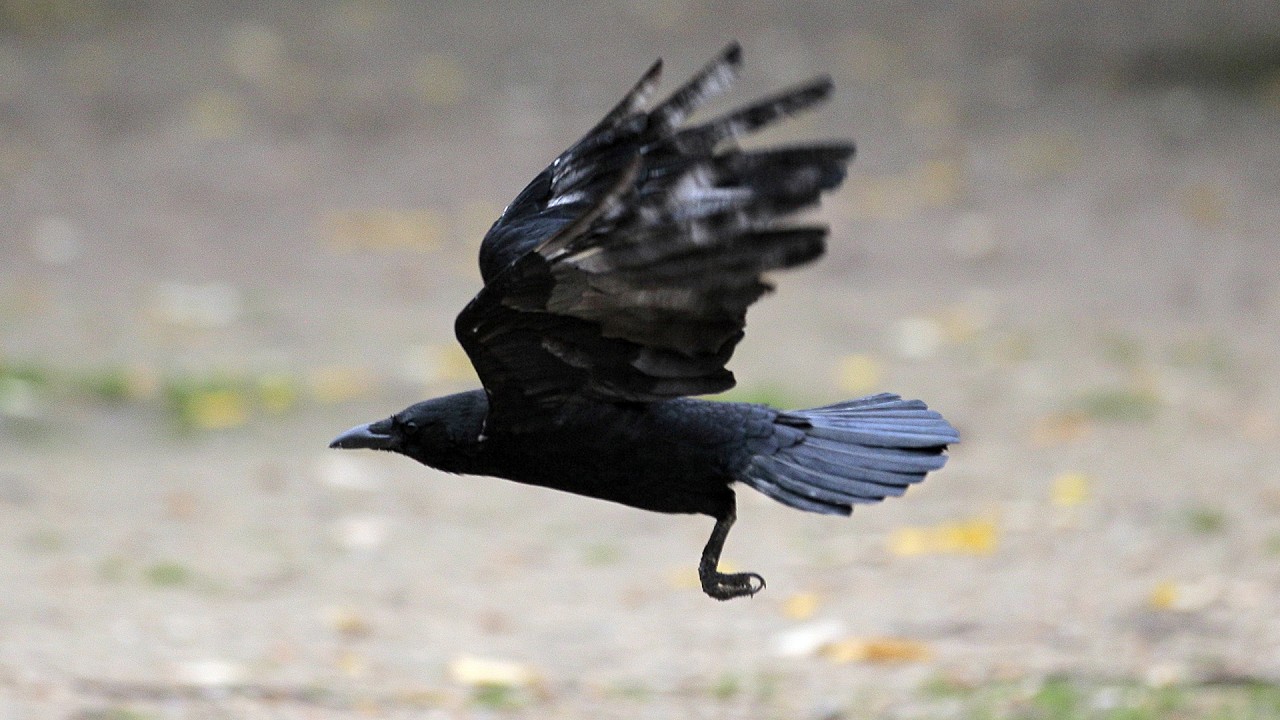
Meaker pointed to two biologists who have studied crow calls for 25 and 30 years. They've now collected 150,000 vocalizations and are building a full repertoire.
The team is cross-referencing audio with video of what the birds do when they call, then feeding both into AI to find patterns invisible to humans. They're already hearing distinct calls they missed for decades, and debating whether small acoustic differences carry different meaning.
Who is funding the work, and why it could backfire
Coller is described as the field's major donor, but tech money runs broader. Meaker named Reid Hoffman, Lauren Powell Jobs and Azar Raskin, credited with infinite scroll, as backers of major interspecies organizations, with Earth Species Project often cited as the hub for this data-heavy approach.
The pitch is redemptive: if we understand what motivates animals, not just what their calls label, we'll treat them and the environment better.
Meaker reported the counter-argument directly. Researchers worry the same tool could be used to lure and exploit animals, a crow told that it's safe and then trapped, or to apply sonar-style tactics historically used to bring whales up to be killed.
Other critics raise privacy and ecological costs from blanketing habitats with listening devices. A biologist also warned that selectively bred farm animals, like 40-day-old chicks that only vocalize about food, might reveal so little that the gap between humans and animals widens instead of closes.