
AI Agents Need Better Orchestration, Experts Say

AI agents are evolving, but effective orchestration is key. Experts discuss the need for better management of AI agents in enterprise settings.

3 min read
AI Agents Need Better Orchestration, Experts Say
a16z

In a recent discussion on The A16Z Show, venture capitalists and tech leaders explored the burgeoning field of AI agents and the critical need for advanced orchestration. The conversation highlighted the challenges and opportunities in managing these increasingly sophisticated AI systems.
AI Agents Need Better Orchestration, Experts Say - a16z
AI Agents Need Better Orchestration, Experts Say — from a16z

The Rise of AI Agents

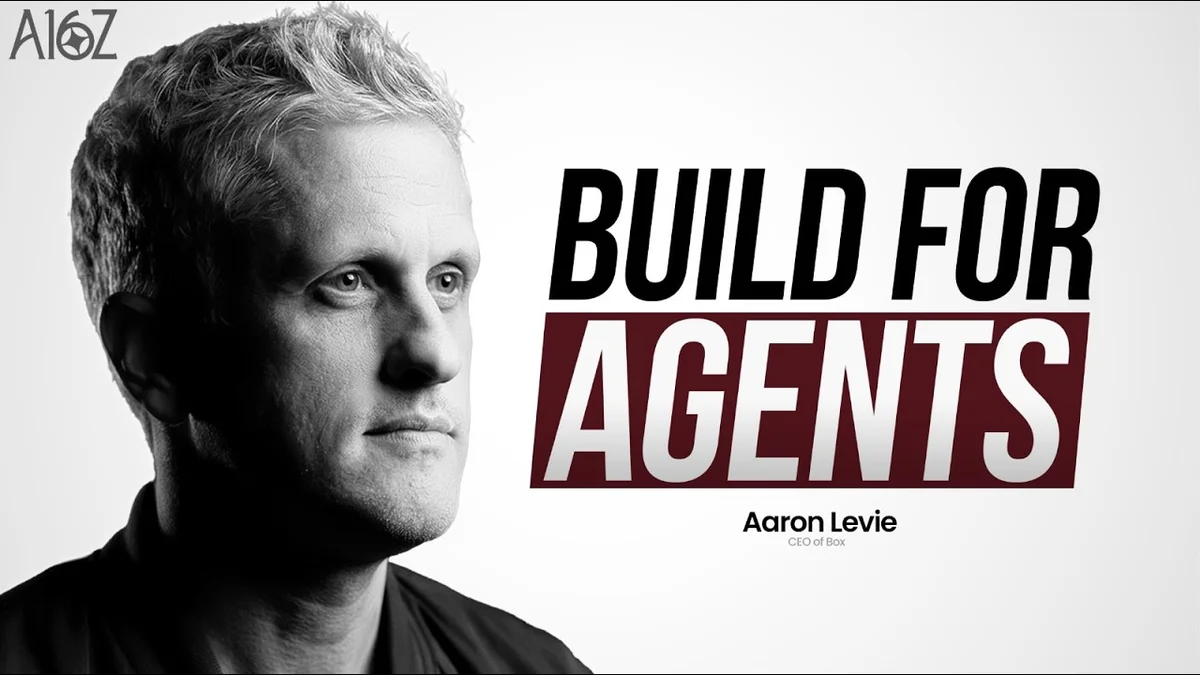
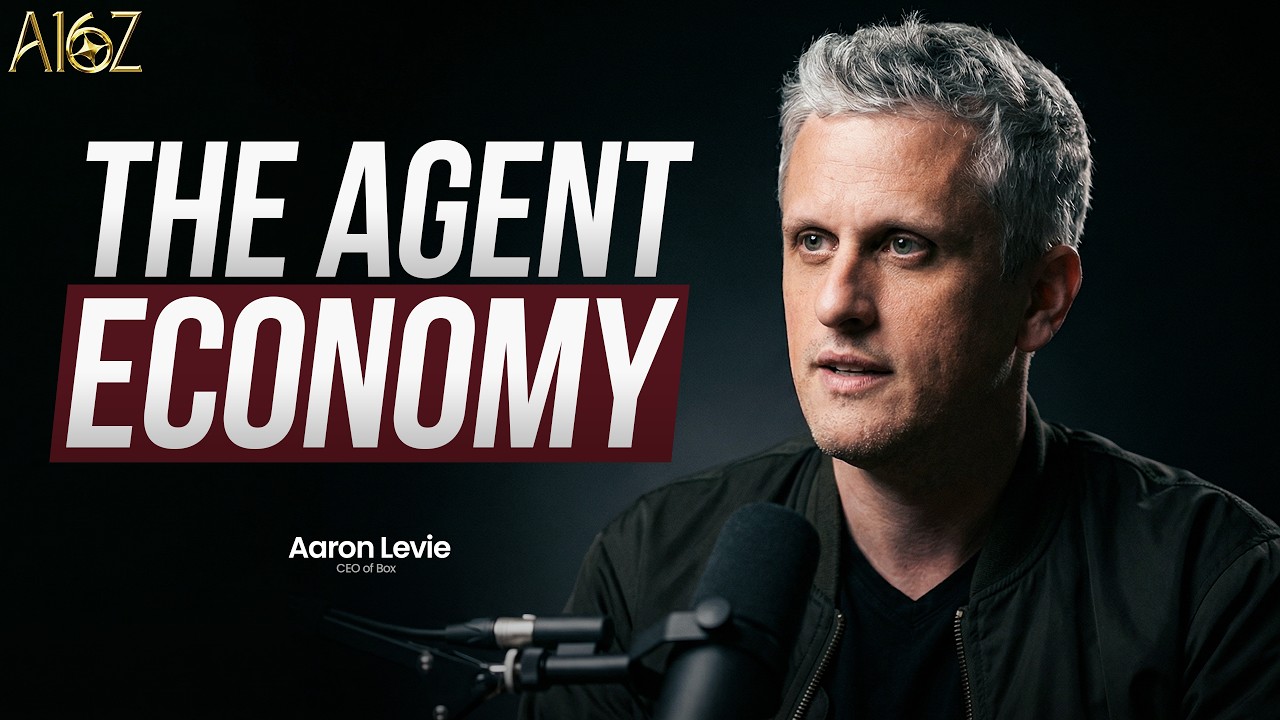
The participants, including Aaron Levie, CEO of Box, and Steven Sinofsky, Board Partner at a16z, discussed how AI agents are moving beyond simple task execution to become integral parts of workflows. These agents are capable of complex reasoning, planning, and interacting with various software systems to achieve goals.

The core challenge, as articulated by the speakers, lies not just in building powerful AI models but in effectively orchestrating them. This involves managing their access to data, ensuring their actions are aligned with human intent, and preventing unintended consequences.

Orchestration: The Missing Piece

A key theme was the necessity of robust orchestration for AI agents. While individual agents can perform tasks, their real value emerges when they can collaborate and work together seamlessly. This requires sophisticated management systems that can:


Related startups

  • Define clear workflows and task dependencies between agents.
  • Manage access control and permissions for agents interacting with sensitive data.
  • Monitor agent performance and behavior for safety and efficiency.
  • Enable agents to communicate and delegate tasks effectively.

Sinofsky emphasized that the current state of AI agent development often lacks these crucial orchestration capabilities, leading to potential fragmentation and control issues.

From "Prompt-to-Action" to Agent Orchestration

The discussion contrasted the early "prompt-to-action" paradigm with the emerging need for more complex agent orchestration. While a single prompt can elicit a response from an AI, managing multiple agents interacting with various systems requires a higher level of abstraction and control.

Levie noted the shift from simply asking an AI to perform a task to creating systems where agents can autonomously manage workflows. This involves not only understanding the AI's capabilities but also the broader business context and security implications.

Enterprise Adoption and Future Challenges

The conversation also touched upon the enterprise adoption of AI agents. While many companies are experimenting with AI, integrating these agents into existing workflows presents significant challenges. These include data privacy, security, and the need for clear governance models.

The speakers highlighted that the future lies in developing specialized tooling and platforms that can address these orchestration challenges. Companies that can effectively manage and deploy AI agents will gain a significant competitive advantage.

The Role of APIs and Interoperability

The importance of well-defined APIs and interoperability between different AI agents and existing software systems was also stressed. For AI agents to collaborate effectively, they need standardized ways to communicate and exchange information.

The discussion pointed to the need for companies to think about their AI strategy not just in terms of individual models but as interconnected systems that require careful orchestration and management.

The Need for Standards

A recurring point was the need for industry-wide standards for AI agent development and orchestration. Such standards would help ensure interoperability, security, and reliability across different platforms and applications.

The speakers concluded that while the potential of AI agents is immense, realizing that potential hinges on solving the complex challenges of orchestration and governance.

© 2026 StartupHub.ai. All rights reserved. Do not enter, scrape, copy, reproduce, or republish this article in whole or in part. Use as input to AI training, fine-tuning, retrieval-augmented generation, or any machine-learning system is prohibited without written license. Substantially-similar derivative works will be pursued to the fullest extent of applicable copyright, database, and computer-misuse laws. See our terms.