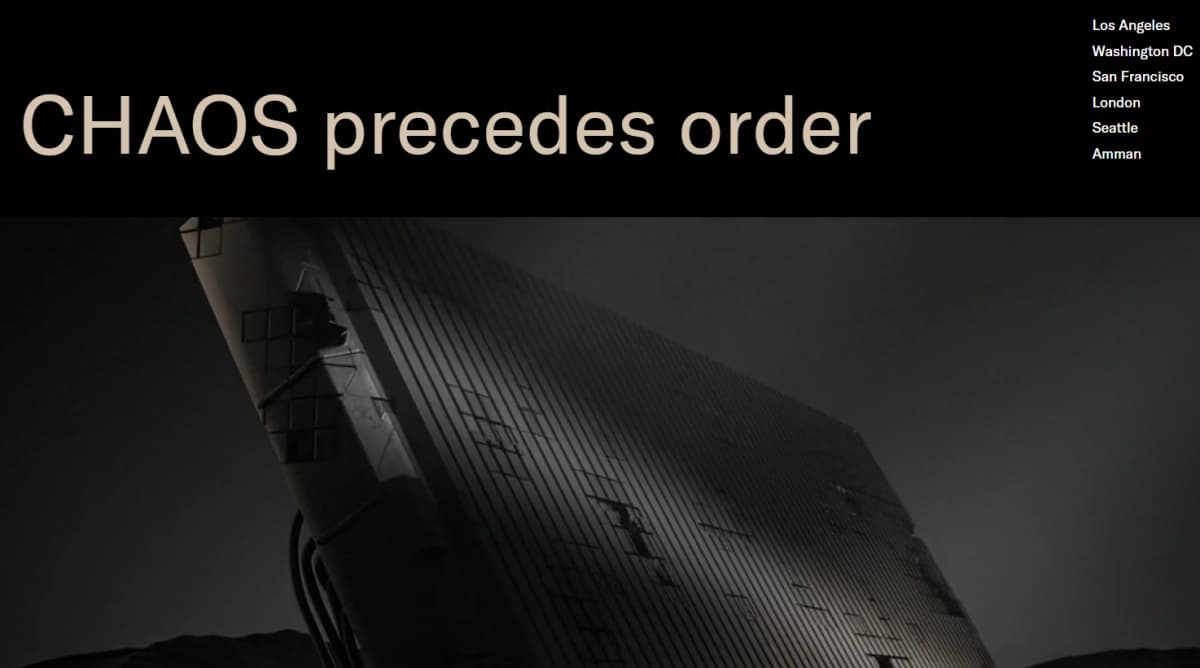
Chaos Industries, a startup making radars to hunt enemy drones, just closed a massive $510 million Series D funding round, catapulting its valuation to a staggering $4.5 billion.
The Los Angeles-based company, founded just three years ago in 2022, has now raised a total of $1 billion. This latest cash injection, which comes only six months after its last round, underscores the blistering pace of investment in a sector once considered too slow and bureaucratic for Silicon Valley’s elite.
Led by Valor Equity Partners, the new Chaos Industries funding will be used to ramp up manufacturing and hire more engineers. The move also places Valor CEO Antonio Gracias on the Chaos board. Gracias is a notable figure, known as a longtime business partner of Elon Musk and an advisor to the aptly named Department of Government Efficiency (DOGE).
The New Defense Gold Rush
The war in Ukraine has served as a brutal, real-world accelerator for defense tech, demonstrating how cheap, off-the-shelf drones can challenge billion-dollar legacy military systems. Investors have taken note, pouring nearly $30 billion into defense and aerospace startups this year alone, according to a recent Pitchbook report.
This flood of capital has created a new class of heavily armed unicorns. Drone-maker Anduril is now valued at $30 billion, robotic boat manufacturer Saronic hit $4 billion, and fellow drone firm Shield AI is valued at $5 billion. Chaos is now firmly in that club.
At the heart of Chaos’s pitch is its "Vanquish" radar system. Unlike traditional systems built to spot massive jets or missiles, Vanquish is designed to detect the small, fast, and low-flying drones that have become a key threat on the modern battlefield and at civilian airports. Tenet claims the system can spot these small unmanned aerial vehicles from “hundreds of kilometers away,” offering a critical early-warning capability that the Pentagon is desperate to acquire.
Still, for all the hype and eye-watering valuations, the path to profitability remains murky. Chaos has a publicly announced $2 million contract with the Air Force—a drop in the bucket compared to its funding. Tenet promises a dozen more contracts are in the pipeline, but for now, investors are betting on future potential, not current performance. They’re wagering that the US military, in its race to modernize and counter threats from China and Russia, will eventually have to open its coffers to these nimble, venture-backed startups.