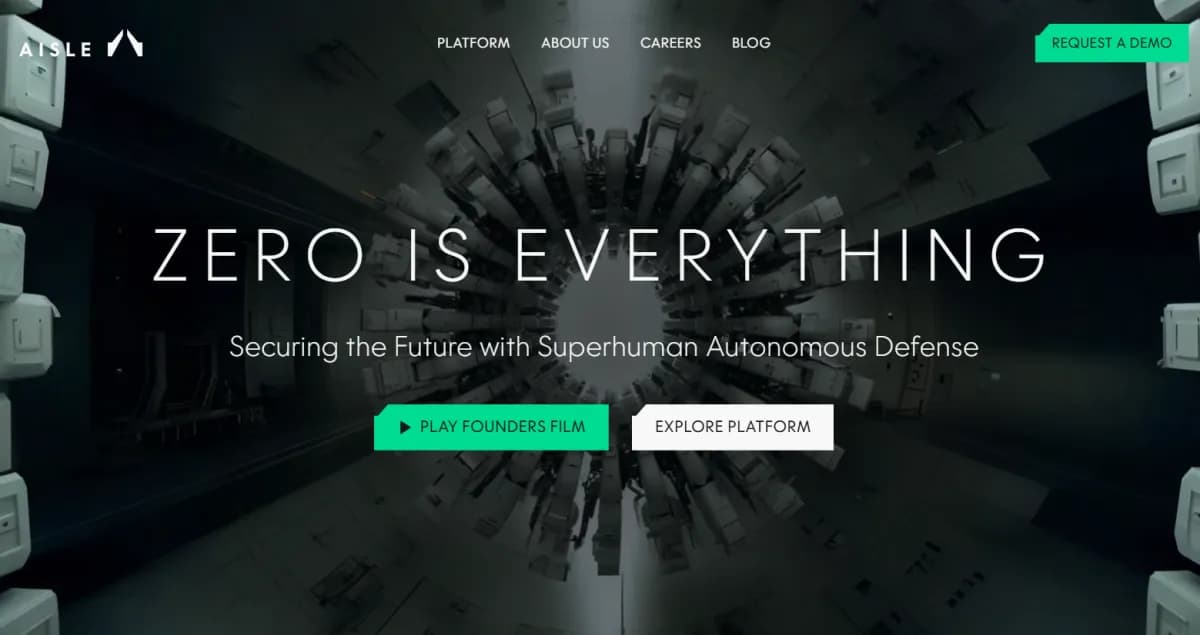
A new startup stacked with cybersecurity and AI veterans is making a bold claim: it can use AI to finally get enterprise vulnerability backlogs to zero. AISLE, which emerged from stealth, was founded by former Avast CEO Ondrej Vlcek, decorated CISO Jaya Baloo (Rapid7, Avast), and AI researcher Stanislav Fort (Anthropic, Google DeepMind). The company is launching what it calls an AI-native cyber reasoning system to automate the entire vulnerability management lifecycle.
The security industry has a dirty secret: most breaches still happen because of old, known vulnerabilities that companies simply haven't had time to patch. Security teams are drowning in alerts from legacy scanners, and attackers, now supercharged with their own AI tools, can weaponize a new flaw in minutes. AISLE says its approach flips the advantage back to the defenders.
How it's different from just another AI scanner
Instead of just flagging potential issues, AISLE’s system autonomously discovers, diagnoses, and then generates ready-to-merge code patches. The key, according to the company, is its ability to create and maintain a continuously updated “AI twin” of a company’s entire software stack.
This digital twin allows AISLE to not only write a fix but also test it against a replica of the live environment. This verification step is designed to catch regressions or potential outages *before* a patch is deployed, a critical step that has historically slowed down remediation efforts. By delivering a verified pull request, the system aims to reduce the remediation loop from months to minutes, with a human developer still giving the final approval.
With backing from a who's-who of angel investors including Google’s Jeff Dean and Hugging Face’s Thomas Wolf, AISLE is betting that this combination of autonomous fixing and verified patching is the key to moving beyond the endless backlog. It’s one of the most ambitious swings yet in the burgeoning field of AI vulnerability remediation, promising a future of self-defending software.