
Geopolitical tensions between the US and Iran are intensifying scrutiny on global oil output and the critical Strait of Hormuz. This volatile dynamic, central to ongoing US Iran nuclear talks and global energy markets, was recently highlighted on a Bloomberg Podcast.
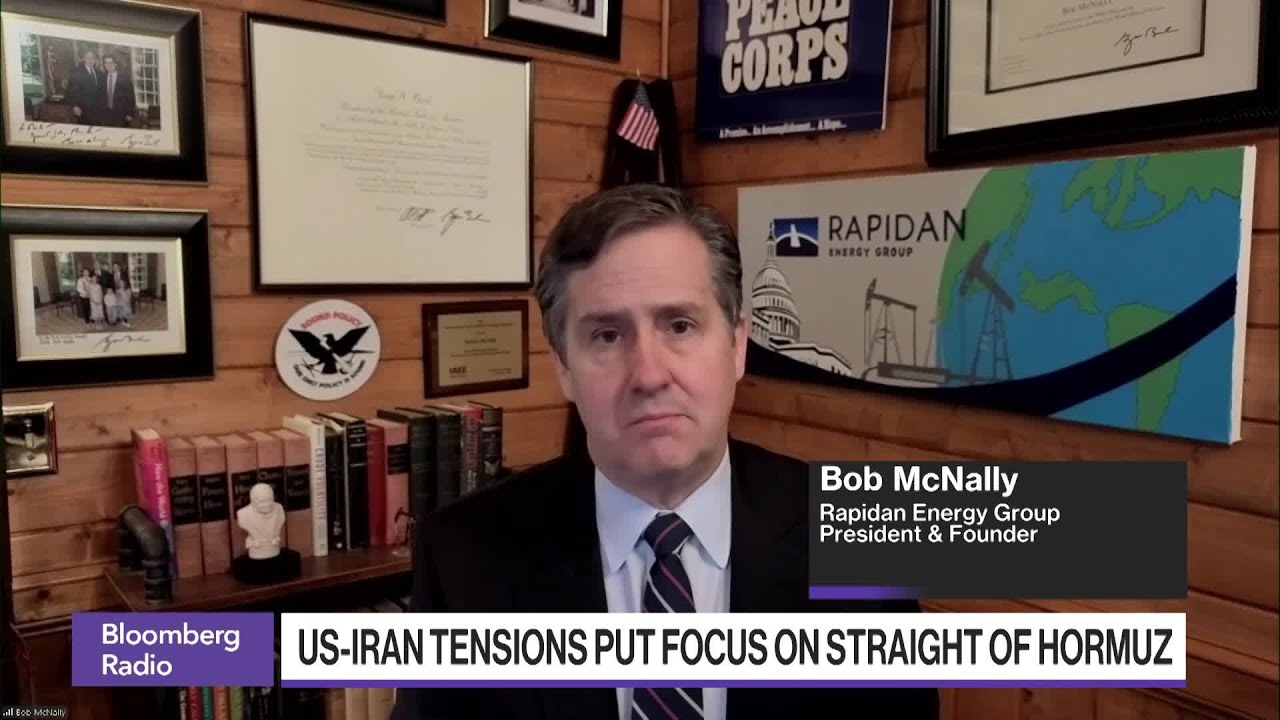
Rapidan Energy Group President Bob McNally noted that while the US is now a net oil exporter, a sudden rise in oil prices would still negatively impact the broader economy. However, the effect would be less severe than if the nation remained a net importer.
A major concern is the potential for military action to disrupt the Strait of Hormuz, a choke point for 20% of global crude and LNG traffic. McNally warned that Iran possesses an arsenal of mines, missiles, and drones capable of prolonging such an interruption for weeks, unlike past, shorter conflicts.
Such a scenario would pose immense risks to the global economy. An initial military escalation could immediately add $3 to $5 per barrel. A sustained disruption, however, could push crude prices well over $100 per barrel, inevitably leading to demand destruction and an economic downturn.
McNally underscored that preventing Iran from shutting down the Strait is paramount. While neutralizing Iran offers long-term energy security benefits, the immediate military objective must be to suppress Iran's existing capabilities to disrupt the vital waterway.